中国烧烤江湖,谁才是真正的“烧烤之都”?
原创 Soren 2026-09-15 08:30 辽宁
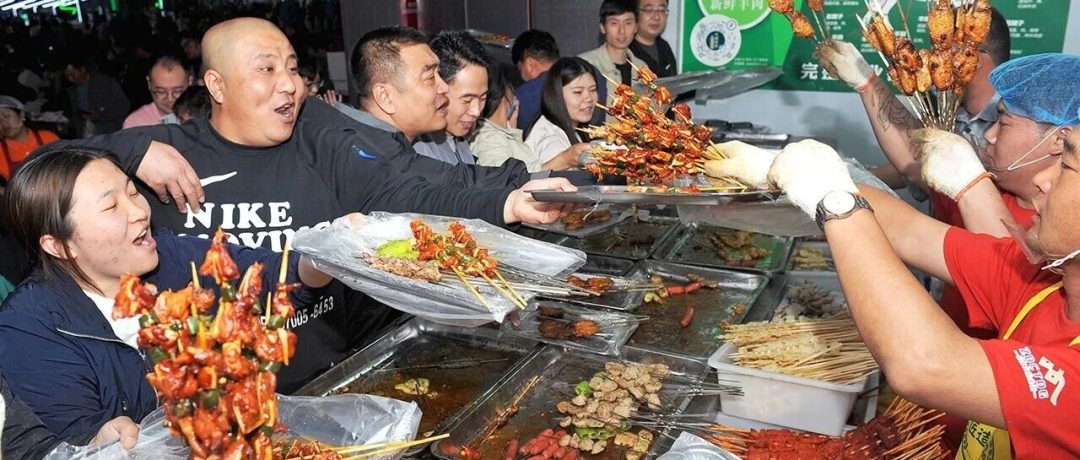
中国人对烧烤的热爱,早已不止于吃。从东北到西北,各地都想争一争——谁才是真正的“烧烤之都”?
上周用AI写了部小说,沉迷其中,耽误了写英语。今天回来聊点有烟火气的:中国人对烧烤的热爱,早已不止于吃。从东北到西北,各地都想争一争——谁才是真正的“烧烤之都”?
我们来看《经济学人》的报道。
01
原文
这篇文章只有一段话:
The serious, rivalrous business of Chinese barbecue
Some cities say they’ve been eating kebabs since the Han dynasty
Step aside, Texas. The Chinese city of Qiqihar is laying claim to the global barbecue crown. Located in the country’s far north-east, it recently concluded a barbecue festival, inviting the world to enjoy its flavour. Banners across the city of 4m assert it is the “international barbecue capital”. That is a big claim for a place few outside China have heard of and equally few could pronounce (roughly, chee-chee-har).
02
精读
1
The serious, rivalrous business of Chinese barbecue
中国烧烤这门严肃而充满较量的生意。
这是文章的标题,看标题里的 rivalrous。
它是形容词,意思是“竞争激烈的、好胜的、互不相让的”,英文解释 competitive in a way that feels like a contest between rivals。
构词是 rival(对手)+形容词后缀 -ous,所以字面就是“充满对手气味的”,它常和 business、market、contest、fixture 这类词搭;写作里想说“杀得眼红的行业”,用 rivalrous 比 competitive 更有火药味。
回到文中,标题说烧烤是一门 rivalrous business,意思是各地在争“烧烤正统”这件事上很较劲。
我们看几个例句:
关于教育话题,我们可以说:
Getting into top universities has become a rivalrous contest.
进入顶尖大学已经变成一场你争我夺的竞赛。
关于科技话题,我们可以说:
The race to build better AI models is increasingly rivalrous.
打造更强 AI 模型的竞赛越来越争强好胜。
美剧里,《权力的游戏》第1季第9集出现过它的名词 rival(对手):
He won't want any rivals.
他不会愿意留任何对手。
这里用的是名词 rival,和 rivalrous 同一家族。
rivalrous一词,可以用competitive, cut-throat, contentious等词替换,看几个例句:
competitive——中国男篮刚以三连胜、小组头名出线,竞争很激烈:
The group was so competitive that three teams finished level on points.
这个小组竞争太激烈,三支队伍最后同分。
cut-throat——最近大家在讨论买车“贷款还是全款”:
Car dealers face cut-throat competition, so they push loans hard.
汽车经销商竞争惨烈,所以拼命推贷款。
contentious——赵雷演唱会现场那起求婚视频引发争议,当事人报警要求下架:
Filming strangers at a concert has become a contentious issue.
在演唱会拍摄陌生人已经成了争议很大的议题。
2
再来看摘要:
Some cities say they've been eating kebabs since the Han dynasty
有些城市说,他们从汉代就开始吃烤肉串了。
kebab 名词,“烤肉串”,英文解释 pieces of meat cooked on a skewer。它是外来词,源自阿拉伯语,经土耳其语进入英语,英式写法 kebab,美式口语也常说 skewer、shish kebab。
搭配上,kebab shop(烤肉店)、kebab skewer(烤串扦子)都很常见。
回到文中,副标题用 eating kebabs since the Han dynasty 把烧烤的历史拉到两千年前——争的不是味道,是“资格”。
看几个例句:
关于文化话题,我们可以说:
In many cities, a late-night kebab is part of the local food culture.
在很多城市,深夜的一串烤肉是当地饮食文化的一部分。
关于健康话题,我们可以说:
Doctors warn that late-night kebabs are hard on the stomach.
医生提醒,深夜吃烤肉串对胃负担很大。
关于城市夜生活,可以说:
In many Chinese cities, the night market does not really begin until the first kebab hits the grill.
在很多中国城市,要等第一串烤肉上了烤架,夜市才算真正开始。
3
Step aside, Texas.
得州,让一让。
step aside 就是“让开、退到一边”。
这是文章开头。祈使句开头是英文新闻特稿常用的"钩子",短促、有画面,比陈述句更抓人;这类句子后面通常紧跟一个具体对象,把读者的注意力钉住。
4
The Chinese city of Qiqihar is laying claim to the global barbecue crown.
中国城市齐齐哈尔正在争夺“全球烧烤之冠”。
lay claim to 意思是“声称拥有、对...提出主张、把某样东西说成自己的”,英文解释 to state that something is yours or that you have a right to it。等于 make a claim to sth。
法律语境里说 lay claim to an estate(主张对某处房产的权利),日常语境里也能说 lay claim to a title or a record(争夺某个头衔或纪录)。
回到文中,齐齐哈尔不是在“申请”,而是在公开宣称“烧烤之冠是我们的”。
我们看几个例句:
关于媒体话题,可以说:
Several outlets laid claim to the exclusive, even though the documents were already circulating online.
好几家媒体都宣称自己拿到了独家,尽管那些文件早已在网上流传。
关于社会公平话题,可以说:
Workers are laying claim to the right to rest on weekends.
工人们正在主张周末休息的权利。
孙心然在美网青少年组夺冠,也像是在为自己的位置正名:
The 16-year-old from Shenzhen laid claim to her place among the world's best juniors with a US Open title.
这位16岁的深圳姑娘用一座美网青少年组冠军,证明自己跻身世界最强少年之列。
美剧里,《权力的游戏》第1季第4集出现过 claim(名词,主张/权利):
Forsake all claim to your inheritance.
放弃你对继承权的全部主张。
2015年考研英语一的Text1中出现过claim一词:
Symbolic of national unity as they claim to be, their very history embodies outdated and indefensible privileges.
尽管他们自称是国家团结的象征,他们的历史本身就体现着过时而站不住脚的特权。
(这里用的是 claim to be「自称是」,和文中的 lay claim to 同源但搭配不同。)
lay claim to 可以用stake a claim to, assert a claim to, take ownership of等表达替换,看几个例句:
stake a claim to——最近“第一学历大专被大厂拒录硕士发声”引发讨论:
Graduates are staking a claim to fairer hiring rules.
毕业生们正在主张更公平的招聘规则。
assert a claim to——八部门刚印发促进智能家居消费的行动方案:
Regulators are asserting a claim to set the rules for smart homes.
监管机构正在主张为智能家居立规矩的权力。
take ownership of——小红书上的传统戏法“阴阳扣”又火了:
Young creators are taking ownership of old folk tricks.
年轻创作者正在把老戏法变成自己的东西。
5
Located in the country's far north-east, it recently concluded a barbecue festival, inviting the world to enjoy its flavour.
它位于中国最东北部,最近刚办完一场烧烤节,邀请全世界来品尝它的风味。
这句补上背景信息。
Located in the country's far north-east 是过去分词短语作状语,交代位置;
主干是 it recently concluded a barbecue festival;
句尾 inviting the world to enjoy its flavour 是现在分词短语作结果或伴随状语,说明办节的用意。
it 指前一句的齐齐哈尔。
concluded 是 conclude 的过去式,这里的意思是“结束、办完(一场活动)”,英文解释是 to bring something to an end。名词形式是 conclusion。
它还有个考研爱考的意思:(从事实中)得出结论,常用 conclude that…。
所以看到 conclude,先看宾语:接活动、会议、审判,就是“收尾”;接结论,就是“推断”。
搭配上,conclude a meeting / a deal / a festival 都很常见,也可以用 conclude with sth 表示“以……收尾”。
看几个例句:
关于家庭话题,我们可以说:
The family reunion concluded with a long walk and a promise to meet again next spring.
家庭聚会以一次长长的散步收尾,大家约好明年春天再聚。
最近服贸会在北京闭幕,正好给了这个词一个真实的语境:
The services trade fair concluded on September 13 after five days, drawing nearly 420,000 visitors.
这场服务贸易交易会历时五天后于9月13日闭幕,吸引近42万人次入场。
哈尔滨马拉松也在同一天收官:
The Harbin Marathon concluded with a Chinese runner finishing second by just five seconds.
哈尔滨马拉松收官,一位中国选手仅以5秒之差获得亚军。
最近《早春晴朗》迎来收官,讨论很多,我们可以写一个句子:
The drama concluded with a much-discussed finale.
这部剧以一场引发热议的收官作结束。
《权力的游戏》第4季第6集里,庭审上说到“等证词结束、判决作出时”也用到了这个词:
When the testimony's concluded and a guilty verdict rendered,…
证词结束、有罪判决作出之后……。
concluded 在这里就是"(程序)走完、结束"。
这个表达在考研真题里也出现过。2015年考研英语一的Text4里有一句:
As the hacking trial concludes—finding guilty one ex-editor of the News of the World, Andy Coulson, for conspiring to hack phones…
随着这起窃听案审理进入尾声——《世界新闻报》前编辑安迪·库尔森被判合谋窃听电话罪名成立……
conclude 可以用wrap up, draw to a close, close等表达替换,看几个例句:
wrap up——中国女足刚以5:1赢下中国香港女足:
The opening match wrapped up with a 5-1 scoreline.
首场比赛以5:1的比分收场。
draw to a close——鹤岗那顿“四人餐十人够吃”的探店视频很火:
The long dinner drew to a close well after midnight.
这顿漫长的晚餐一直到午夜之后才结束。
close——小红书上“加糖制作的红茶,能喝出来吗”的味觉测试很有意思:
The taste test closed with a surprise winner.
这场味觉测试以出人意料的赢家收尾。
6
Banners across the city of 4m assert it is the "international barbecue capital".
这座四百万人口的城市到处挂着横幅,宣称自己是“国际烧烤之都”。
assert 是“断言、宣称”,比 say 更硬气;the city of 4m 里 4m 指 four million(四百万人口)。
这句承接上文,把“争名号”具体化成城市空间里的横幅——不是口头一说,而是铺满了全城。它也为最后一句的质疑埋下伏笔:话说得越大,越容易被反问。
7
That is a big claim for a place few outside China have heard of and equally few could pronounce (roughly, chee-chee-har).
对一个国外少有人听说、也少有人念得出来的地方来说,这已经是很大的口气了(大致读作 chee-chee-har)。
我们先拆这句话的结构。
主干很短:That is a big claim(那是个很大的口气),That 指上一句横幅上的“国际烧烤之都”。
后面 for a place 引出对象:对“一个地方”来说;关键是 a place 后面挂着两个并列的定语从句,关系代词都被省略了:
a place (that/which) few outside China have heard of 和 a place (that/which) equally few could pronounce。
两个从句的宾语都是前面的 a place。
再看两个细节。
一是 few 的否定感:few outside China 不是"少数几个",而是"很少、几乎没有";
equally few 作对照,表示"同样少的人",和前面的 few 形成漂亮的对称:很少有人听说过,也同样很少有人念得出来。
二是主谓一致:few 作主语时视为复数,所以用 have heard,而不是 has heard——这是考试里很爱设的坑。
句末括号里的 (roughly, chee-chee-har) 是作者给读者的读音提示,roughly 是“大致上”:大约是“奇奇哈尔”这个音。
今天分享到这里,感谢阅读!