在“996”与“躺平”之间,中国中产如何找回生活(上)|外刊精读
原创 Soren 2026-09-22 08:40 辽宁
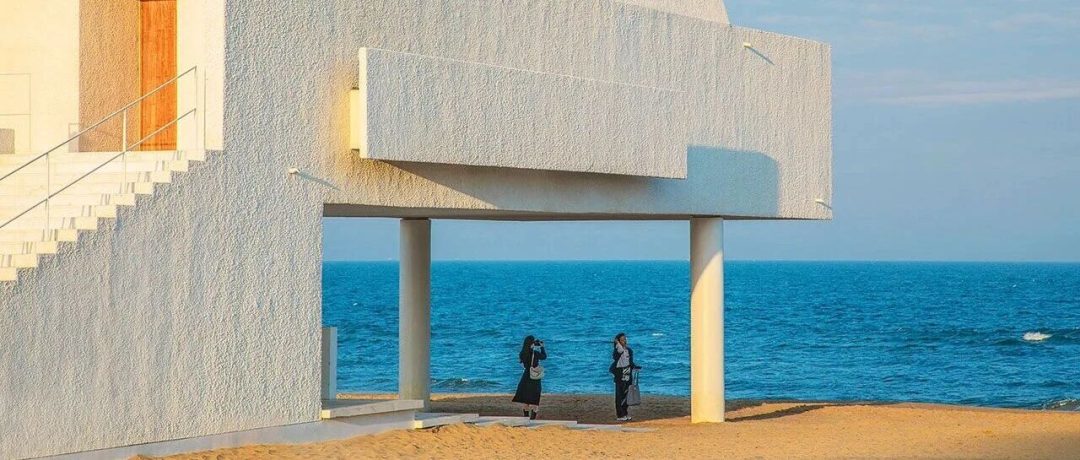
从拼命搞钱到买份松弛,年轻人变了,时代也变了
不卷996,也不甘躺平,新一代国人正从狂热搞钱转向“赎回生活”。阿那亚与普洱的松弛热潮,不仅是打工人的精力回血,更昭示着时代底层逻辑的更迭:从追逐暴富的旧梦,转向守住内心的过得去。
今天我们看一篇《经济学人》的报道。
本篇为节选精读,原文及译文请见次条。
01
段落原文
The "leisure class", defined by Thorstein Veblen, an American economist, in the late 19th century, is made up of people showing off how little they need to work. In China, it is still small. But a much broader swathe of society values leisure. By 2025 more than half of urban Chinese households (around 200m of them) counted as upper-middle class or above, making at least 165,000 yuan (about $23,000) a year, reckons McKinsey, a consultancy. Discussions of China's work culture stress two extremes: "996" (working nine to nine, six days a week); and "lying flat" (quitting the rat race altogether). But most of China's middle class lies in between. They want to work a bit less. And they want to get more out of their free time.
Spending on culture, sport and other leisure is a bright spot in a gloomy retail sector. Some hiking guides who previously counted only foreigners as clients now serve Chinese customers decked out in new gear as more take to the hills for the first time. The authorities seem happy for people to enjoy leisure, which can open their wallets and recharge them for work.
02
精读
1
The "leisure class", defined by Thorstein Veblen, an American economist, in the late 19th century, is made up of people showing off how little they need to work.
所谓“有闲阶级”,是美国经济学家托斯丹·凡勃伦在19世纪末提出的概念,指由那些炫耀自己几乎不需要工作的人所组成的阶层。
这是全文的起点,作者先用一个学术概念给“闲”定了个坐标。
句子主干是 The "leisure class" is made up of people——“有闲阶级由……人组成”。
defined by Thorstein Veblen, an American economist, in the late 19th century 是过去分词短语,插在主语后面作后置定语,交代这个概念的提出者和年代;
an American economist 又是 Veblen 的同位语。
句尾 showing off how little they need to work 是现在分词短语,修饰 people,说明这个阶层的特点:炫耀自己“需要工作的时间少得可怜”。
背景值得补一句:凡勃伦 1899 年出版《有闲阶级论》,提出有闲阶级靠“不事生产”本身来证明地位——能闲着、闲得起,就是身份。这个“闲”不是休息,而是一种展示。
leisure 是这个概念的词眼,名词,“闲暇、空闲时间”,英文解释是 time when you are free from work and can relax。它来自古法语 leisir,本义是“被允许(自由支配)”,和 license(许可)沾亲,所以 leisure 的核心不是“什么都不做”,而是“这段时间归我自己安排”。
常见搭配有 leisure time、leisure activities、the leisure industry(休闲产业),短语 at leisure 表示“从容地”。
关于健康话题,我们可以说:
Doctors keep reminding us that regular leisure activities protect mental health.
医生一再提醒我们,规律的休闲活动有助于保护心理健康。
最近“我的假期一天都不能少”上了热搜,我们可以说:
My holiday is not a bonus; it is my leisure, and I am not giving up a single day of it.
假期不是额外恩赐,它是我的闲暇,一天我都不让。
这个词在美剧里也出现过,《权力的游戏》第4季第3集里有句台词:
The Hand of the King doesn't have much leisure time.
国王之手可没什么闲暇时间。
这个表达在考研真题里也出现过,2016年考研英语一的Text2里有一句:
It was specifically to provide city dwellers with spaces for leisure where they could experience "a refreshing air".
那(片公园)正是为了给城市居民提供休闲空间,让他们能体验到“清新的空气”。
2
In China, it is still small.
在中国,这个阶层还很小。
短句,一个 it 承接上句的 leisure class,still small 立刻把美国概念落到中国现实:这个“闲得起”的圈子规模有限。它的作用是把节奏压一下,为下一句的 but 蓄力。
3
But a much broader swathe of society values leisure.
但社会中大得多的一部分人都看重闲暇。
一个 but 把视角放大:真正有闲阶级虽小,可“想要闲”的人多得多。
主干是 a much broader swathe of society values leisure,value 在这里是动词,“珍视、看重”。
swathe 是这句话的关键名词,“一大片、一大部分”,读 /sweɪð/。它的本义是“割下来的一长条草或布”,所以 a swathe of 就是“像一整条那样的一大片”——比 a large part 更有画面感。
常见搭配有 a broad swathe of society、a wide swathe of the population、a swathe of opinion。
写作时,如果想表达“一大批人、很多人”,可以说a broad swathe of society, 比 many people 更有分量,也更书面。
关于就业话题,我们写个句子:
A broad swathe of graduates now value stability over a high salary.
很大一部分毕业生如今更看重稳定,而不是高薪。
4
By 2025 more than half of urban Chinese households (around 200m of them) counted as upper-middle class or above, making at least 165,000 yuan (about $23,000) a year, reckons McKinsey, a consultancy.
到2025年,中国城市家庭中已有一半以上(约2亿户)算得上中产偏上或更高,年收入至少16.5万元(约合2.3万美元)——这是咨询公司麦肯锡的估算。
这句用数据回答了“为什么看重闲暇的人变多了”。
主干是 more than half of urban Chinese households counted as upper-middle class or above。
count as 是“算作、被认定为”。
括号里的 (around 200m of them) 是同位语,补充数量;
200m 里的 m 就是 million,2亿户。
making at least 165,000 yuan a year 是现在分词短语,进一步说明这些家庭的收入水平。
最后 reckons McKinsey, a consultancy 是引述性插入,说话人放在句末,a consultancy 又是麦肯锡的同位语——这种“先说结论、后置出处”的写法在英文新闻里非常常见。
5
Discussions of China's work culture stress two extremes: "996" (working nine to nine, six days a week); and "lying flat" (quitting the rat race altogether).
讨论中国职场文化,常常会强调两个极端:“996”(早九点到晚九点、一周六天);以及“躺平”(干脆退出这场无休止的竞争)。
stress 在这里是动词,“强调、突出”。两个冒号后的引号词各配一个括号解释,是典型的“给外国读者做注”。
rat race 是这句的重点短语,名词,“无休止的激烈竞争、疲于奔命的赛跑”,也就是我们常说的“卷”。这个短语来自实验室里踩着转轮拼命跑的老鼠——跑得再快,也永远到不了终点。所以 join the rat race 是“加入这场内卷”,quit the rat race 是“退出来”,escape the rat race 是“逃离”。写作提示:它是固定搭配,前面通常带 the。
关于工作话题,我们可以说:
Many young workers dream of quitting the rat race and moving to a smaller town.
很多年轻打工人都梦想退出这场内卷,搬到小城市去。
顺便说一句“996”和“lying flat”:前者是工时制度的代称,已经进入英文报道,直接写 996 就能懂;后者是对“躺平”的直译式表达,读英文时看到 lying flat,要能反应过来它不是“平躺”这个动作,而是一种主动退出的生活态度。
6
But most of China's middle class lies in between.
但中国中产的大多数,其实在两者之间。
lie in between 是“处在中间”,lie 在这里是“位于”,不是“躺”。
7
They want to work a bit less.
他们想少上一点班。
8
And they want to get more out of their free time.
也想从空闲时间里拿到更多。
get more out of sth 是“从……中获得更多(价值、乐趣)”。
9
Spending on culture, sport and other leisure is a bright spot in a gloomy retail sector.
在整体低迷的零售业里,文化、体育和其他休闲类消费是一抹亮色。
这句主干是 Spending is a bright spot,
主语是动名词短语 Spending on culture, sport and other leisure;
in a gloomy retail sector 是范围状语,gloomy 是“黯淡的、不景气的”,和 bright 正好对撞。
a bright spot 是重点短语,名词,“亮点、亮点所在”,英文解释是 something that is good in a situation that is otherwise bad。它常和 in 连用:a bright spot in a difficult year。写作里,想表达“坏消息里的一处好消息”,就可以用a bright spot这个短语。
关于科技话题,我们可以说:
The new battery design is a bright spot in an otherwise difficult year for the industry.
在这行业艰难的一年里,新的电池设计是一个亮点。
最近世界制造业大会在合肥开幕,机器人展区成了刷屏内容:
The robot zone was the bright spot of the manufacturing expo.
机器人展区成了这届制造业大会的亮点。
a bright spot 一词,可以用 a highlight、a silver lining、a bright note 等说法替换,看几个例句:
关于商业航天,我们可以说:
The nine-satellite launch was the highlight of the weekend's news.
那次“一箭九星”的发射是那个周末新闻里的头号亮点。
关于产业与商业,可以说:
The company's promise to keep updating the software was a silver lining for worried car owners.
对忧心忡忡的车主来说,公司承诺继续更新软件是坏消息中的一丝安慰。
关于文娱消费,可以说:
The star's gift to her crew was a bright note in a week of gossip.
在一堆八卦里,这位艺人给团队送礼成了难得的一抹亮色。
10
Some hiking guides who previously counted only foreigners as clients now serve Chinese customers decked out in new gear as more take to the hills for the first time.
一些徒步向导过去只把外国人算作客户,如今因为越来越多中国人第一次上山,他们开始服务那些一身新装备的中国客人。
这句是“消费亮点”的具体化。
主干是 Some hiking guides now serve Chinese customers。who previously counted only foreigners as clients 是定语从句,修饰 guides,讲他们过去的客源;
decked out in new gear 是过去分词短语,作后置定语修饰 Chinese customers,把他们“全副新装备”的样子写出来;
as more take to the hills for the first time 是 as 引导的时间/原因状语从句,说明变化从何而来:越来越多人第一次上山。
deck out 是习语,“盛装打扮、装备齐全地出现”,来自 deck(装饰、布置)。它常和 in 或 with 连用:decked out in new gear(穿戴着崭新装备)、decked out with flowers(用花装饰起来)。
关于文化话题,我们可以说:
The performers were decked out in costumes from the 1920s.
演员们穿着20年代的服装登台。
关于看演唱会,我们可以说:
First-time concert-goers were decked out in outfits far more creative than the idols' own.
第一次看演唱会的观众,穿得比偶像本人还有创意。
gear 是名词,“装备、器材”,不可数,偏口语。英文解释是 the equipment needed for a particular activity。gear 比 equipment 更轻便、更有“随身物”的感觉,写户外与运动场景特别好用。
搭配有 camping gear、climbing gear、recording gear、safety gear。
关于城市话题,我们可以说:
Cyclists in the city are now required to wear reflective gear at night.
如今城市里的骑行者夜间必须穿反光装备。
这个词在电影《怦然心动》里也出现过:
How you think they can afford all that recording gear?
你觉得他们哪来的钱买那么贵的录音设备?
最后看 take to the hills,意思是“涌向山里、上山”,take to sth 表示“开始喜欢、转向做某事”,比如 take to the outdoors(喜欢上户外)。
11
The authorities seem happy for people to enjoy leisure, which can open their wallets and recharge them for work.
官方似乎乐见大家享受闲暇——这既能让人们掏钱消费,也能让人充好电再回去工作。
这句点出“为什么政策不拦着”。
seem happy for sb to do sth 是“似乎乐见某人做某事”;
which 引导的定语从句修饰前面的“享受闲暇”这件事,包含两个并列好处:open their wallets 和 recharge them for work。
open their wallets 是重点短语,“掏钱、打开钱包消费”。英文解释是 to start spending money。它可以写成 open their wallets for sth(为某事发钱),也可以说 loosen their purse strings(松开钱袋)、spend freely。
写作中,表达“消费”时,open their wallets 比 spend money 更有动作感。
关于消费话题,我们可以说:
Shoppers tend to open their wallets when they trust the brand.
当消费者信任一个品牌时,他们往往更愿意掏钱。
最近小红书有条热搜“美甲师给脚指甲进行矫正”,这类小而具体的护理服务,正是人们还愿意掏钱的品类:
Small personal-care services are one category where customers still open their wallets.
小型个人护理服务,是眼下顾客仍愿意掏钱的品类之一。
open their wallets 一词,可以用 loosen their purse strings、splash out、part with their money 等说法替换,看几个例句:
关于职场福利,可以说:
Companies rarely loosen their purse strings for holiday gifts, and workers notice.
公司在节日福利上很少舍得松钱袋,员工都看在眼里。
关于消费电子,可以说:
Some fans will splash out on a folding phone before the price drops.
有些粉丝在价格下调之前就会砸钱买折叠屏手机。
关于婚俗,可以说:
Families are still willing to part with large sums for a wedding.
很多家庭仍愿意为一场婚礼花掉一大笔钱。
recharge 是动词,“充电”,引申为“(休息后)恢复精力”。构词很清楚:re-(再次)+charge(充电),人的精力就像电池,用完了要充。搭配有 recharge one's batteries、recharge after a long week、recharge with a walk。
关于公共政策话题,我们可以说:
A four-day week gives employees time to recharge.
四天工作制给了员工恢复精力的时间。
随着入秋,有些城市飘散着桂花香,我们可以说:
A walk under the osmanthus trees is enough to recharge a tired city dweller.
在桂花树下走一走,就足够让疲惫的城市人回一回血。
今天分享到这里,感谢阅读。
本文转载自微信公众号「经济学人双语精读」,查看原文。版权归原作者所有,如有侵权请联系删除。