在“996”与“躺平”之间,中国中产如何找回生活|外刊原文
Soren 2026-09-22 08:40 辽宁
Can China finally relax?
中国终于可以放松了吗?
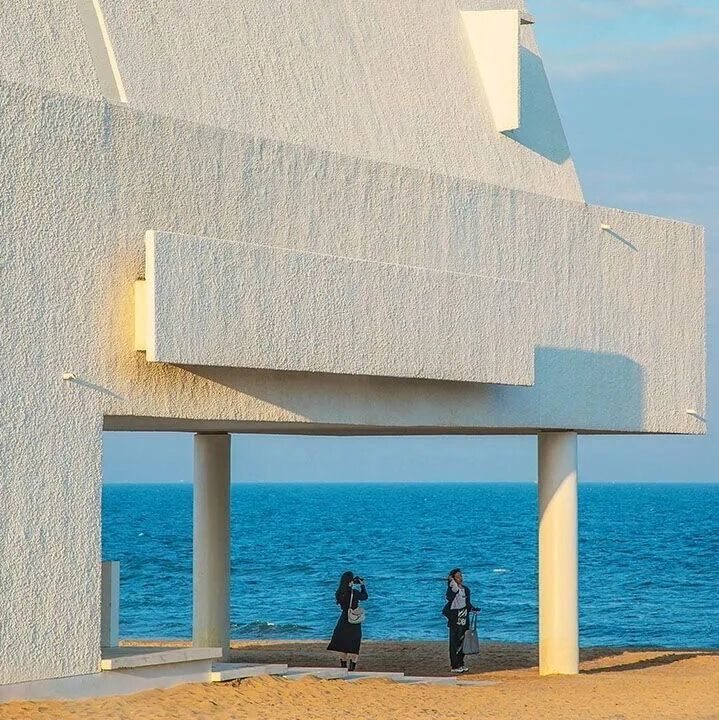
NEAR BEIDAIHE, a well-known seaside resort in Hebei, sits Aranya, a gated complex known as “a middle-class utopia”. Visitors kite-surf, meditate and stroll down manicured streets where many have second homes. More than 4.6m tourists visited last year, up from 3.4m in 2024. They queue for the minimalist canteens, attend theatre, music and film festivals, and admire the brutalist library. The emergence in China of a bourgeoisie has not brought the broader political change many had hoped for. But it has fuelled a leisure industry catering to affluent, overworked people in search of personal fulfilment. “Aranya is so popular because it embodies the way people were meant to live,” says Gao Pei, a teacher from Beijing who bought a holiday home there this year.
在河北著名海滨度假地北戴河附近,坐落着被称为“中产乌托邦”的封闭式社区——阿那亚。这里的游客玩风筝冲浪、静心冥想,或是漫步在打理规整的街巷间,不少人还在当地置办了第二套房。去年,阿那亚接待游客突破460万人次,高于2024年的340万。人们在极简风格的社区食堂前排起长队,赶场戏剧、音乐和电影节,或是打卡那座线条冷峻的粗野主义风格图书馆。在中国,中产阶级的崛起并未如许多人所愿带……,却实实在在催生了一片庞大的休闲消费市场,专为那些虽有一定财力却过度透支、渴望找回自我的人服务。“阿那亚之所以火,是因为它呈现了人本该有的活法,”今年刚在此购置度假房的北京教师高培说。
The “leisure class”, defined by Thorstein Veblen, an American economist, in the late 19th century, is made up of people showing off how little they need to work. In China, it is still small. But a much broader swathe of society values leisure. By 2025 more than half of urban Chinese households (around 200m of them) counted as upper-middle class or above, making at least 165,000 yuan (about $23,000) a year, reckons McKinsey, a consultancy. Discussions of China's work culture stress two extremes: “996” (working nine to nine, six days a week); and “lying flat” (quitting the rat race altogether). But most of China's middle class lies in between. They want to work a bit less. And they want to get more out of their free time.
19世纪末,美国经济学家凡勃伦提出了“有闲阶级”一词,专指那些以“不用干活”来炫耀身份的人。在中国,这一群体依然小众,但追求闲暇的社会面却越来越宽。麦肯锡咨询公司测算,到2025年,中国过半的城镇家庭(约2亿户)将迈入中上阶层及以上门槛,家庭年收入不低于16.5万元人民币(约合2.3万美元)。当下讨论中国职场文化,往往走两个极端:要么是“996”(早九晚九、一周六天),要么是彻底退出竞争的“躺平”。但绝大多数中国中产其实身处两者之间:他们只想少加点班,多从属于自己的时间里活出点滋味来。
Spending on culture, sport and other leisure is a bright spot in a gloomy retail sector. Some hiking guides who previously counted only foreigners as clients now serve Chinese customers decked out in new gear as more take to the hills for the first time. The authorities seem happy for people to enjoy leisure, which can open their wallets and recharge them for work, so long as they neither drop out in disappointment nor let their discontent boil over. In a bookshop in Aranya a visitor photographs a fridge magnet proclaiming: “It's legal to take a break.”
在略显低迷的消费市场中,文体休闲开支堪称一抹亮色。一些以往只带外国客人的户外向导,如今也带起了浑身名牌新装备的国内游客——越来越多的人头一回扎进山野。官方乐见民众懂得休闲:这既能拉动内需、掏出腰包,又能让人养精蓄锐再回去拼搏……
China long needed that reminder. Its work ethic is deeply entrenched. The proverb wanwu sangzhi warns that “indulgence in play ruins ambition.” Attitudes began to shift after Deng spearheaded radical market-oriented economic reforms in the late 1970s. Then in 1995 the government introduced a two-day weekend (laxly enforced) and in 1999 three week-long holidays called “golden weeks”.
中国太需要这样的提点了。这里的拼搏奉献文化早已根深蒂固,古训“玩物丧志”更将贪玩视作毁人前程的祸水。直到20世纪70年代末邓推行市场化改革的大潮,社会观念才开始松动。其后,官方于1995年推行双休日(虽落实松紧不一),又在1999年确立了三个为期一周的“黄金周”长假。
As China got richer, working hours declined. Leisure became a “standard feature of life”, as a recent report by a government think-tank put it. Wang Qiyan of Renmin University, who has for decades surveyed how people in China spend their time, points to 2017-18 as when they started “living like real humans” and were happiest: sleeping enough, playing more and making decent money. Slower economic growth has recently cut urban residents' leisure time from 5.91 hours on weekdays in 2024 to just 3.66 hours in 2025, according to the think-tank survey. But that bucks an upward trend. Mr Wang, a government adviser, advocates a four-day working week.
随着经济腾飞,中国人的工作时长逐步缩短。某官方智库近期的报告便指出,闲暇已成“生活的标配”。中国人民大学王琪延数十年来持续跟踪国人的时间分配,他认为2017至2018年是大家最快乐、真正“活得像个人”的阶段:睡眠充足、玩乐丰富,钱包也体面。该智库调查显示,受经济增速放缓影响,城镇居民工作日的闲暇时间已从2024年的5.91小时骤降至2025年的3.66小时。但王琪延认为这只是暂时的回潮,作为zf智囊的他,正积极倡导推行“四天工作制”。
Shen Huishan, a 24-year-old working in e-commerce, says her generation works to live, not the other way round. She recently took three days off, unpaid, to explore Pu'er, a city in south-western China famous for its tea and coffee. At a local roastery, she and 50 other rapt tourists listened to a barista explain the bean-to-cup cycle. Her parents were baffled by why she would throw away wages to travel.
24岁的电商从业者沈慧珊表示,她这一代人是“工作为了生活,而非为了工作而活”。前不久,她专程请了三天无薪事假,前往以茶和咖啡闻名的西南小城云南普洱放空。在当地一家咖啡烘焙馆里,她和另外50名全神贯注的游客围坐在一起,听咖啡师讲解咖啡从“一颗生豆到一杯咖啡”的全过程。对她的父母而言,扣着工资跑去旅游,简直不可理喻。
Many in China complain that effort is no longer rewarded. Only a few young people have jumped off the treadmill altogether, but most have lost faith in China's traditional work culture, says Xiang Biao of the Max Planck Institute for Social Anthropology in Germany. Many long to slow down, even as a weak economy and the threat to jobs from AI oblige them to speed up. Mr Xiang argues that leisure “soothes” this intensifying tension, as unhappy workers turn to the gym, microdramas and games.
许多国人感叹,如今埋头苦干已不再保证有回报。德国马克斯·普朗克社会人类学研究所学者项飙指出,彻底告别这种“职场跑步机”的年轻人虽属少数,但大多数人已不再迷信传统的那套拼命哲学。尽管经济疲软与AI替代的双重焦虑逼着大家拼命内卷,但人们打心底里渴望放慢脚步。项飙认为,闲暇恰恰成了对抗这种焦虑情绪的“缓冲阀”——失意疲惫的打工人转而一头扎进健身房、刷短剧、打游戏,借此求得片刻安宁。
Chang Chen of One-Way Space, a bookshop chain with a branch in Aranya, notes how book displays have shifted from management studies towards self-reflection and time allocation. “In the past people just wanted to know how to succeed,” he says. Now “it's more about…how to cultivate self-awareness, how to relax, how to rest.” Catering to this, the shop hosts bookshop sleepovers and tipsy reading nights.
连锁书店单向空间在阿那亚开有分店,其负责人张晨发现,店内显眼展台的书籍已从早年的“企业管理经”悄然换成了“自我觉察”与“时间规划”。“过去大家只想看如何走向成功,”他说,如今“更多转向了……怎样建立自我意识、怎样放松身心、怎样踏实休息”。为顺应这一趋势,书店甚至推出了“书店夜宿”和“微醺夜读”等特色体验。
The authorities know that leisure helps boost consumption and keep workers happy. They are trying to promote holidays and curb overtime. In August a notice from Henan's provincial government, asking bosses to simplify leave approvals and set an example by using all their own holiday, went viral. Other provinces also criticised the “unhealthy work culture”, in which many dare not take leave. But officials also worry about workers taking it too easy. Regulators have moved against talk deemed excessively pessimistic, such as “lying flat”—which the authorities this year attributed to outside influence.
官方深知,休闲既有助于提振消费,也能舒缓劳工情绪。有关部门正积极倡导休假制度、遏制过度加班。今年8月,河南省zf一份要求领导干部简化请假审批、带头休完带薪年假的通知一度引发全网共鸣。其他多地也对“让人不敢休假”的病态职场文化提出了批评。不过,监管层同样警惕“休得过了头”,对过度消极悲观的言论(如“躺平”)加以整治,并在今年将此类论调部分归咎于外部势力的推波助澜。
For many embracing leisure, politics feels far away. “The Communist Party does most things well, so we just let them handle it,” says Jason Ji, an engineer from Shanghai, at a show at the Aranya Art Centre. That leaves more time for pursuing personal interests, he says, such as Hyrox, a German fitness competition that has caught on in China, or family “staycations” in architect-designed hotels.
对许多热衷休闲的人而言,宏大政治显得相当遥远。“国家和党把大部分事情都打理得井井有条,交给他们操心就行,”在阿那亚艺术中心看展的上海工程师Jason Ji坦言。这样一来,大家便能腾出更多心思投入个人爱好,比如当下在国内风靡的德国体能赛Hyrox,或是带全家住进设计师酒店度个惬意的周末短假。
Pu'er has now become a popular destination for hobbyists. Tourists come to the unhurried city to reset before returning to work, says Wang Yan, a 27-year-old local burned out from her solar-industry job. She opened one of the many handicrafts workshops around town. Adults deprived of play by an intense education system can finally cut loose. “It's all about making it up to your younger self,” she says, as patrons hammer flower prints onto bags and tie-dye clothing. Meanwhile, a foraging guide identifies mushrooms resembling trumpets and brooms for city folk. “I feel like I'm still alive,” says 26-year-old Wang Keyi as she scans the forest floor.
如今,普洱也成了众多生活方式爱好者的聚集地。27岁的本地姑娘王燕曾因在光伏行业高压工作而心力交瘁,如今在小城里开了家手作体验工坊——眼下城里满是这般营生。她说,游客专程赶到这座慢节奏的小城,就是想在重返工位前给身心“重置归零”。那些从小被应试教育剥夺了玩心的大人们,终于能在这里撒欢透气。“其实都是在弥补童年的缺憾,”王燕一边说,手边的客人们正拿着小锤往帆布包上拓印植物标本、做着草木扎染。林子里,采菌向导正耐心地给城里来客辨认喇叭菌与扫帚菌。“这时候我才觉得自己真切地活着,”26岁的王可怡低头搜寻着林地时轻声说道。
At a café in Aranya, Zhang Lin attributes her life of leisure to graft and luck. The 42-year-old and her husband started a gaming company as the industry was taking off two decades ago. Work swallowed everything as they saved for a house, a car and Beijing residency permits. They benefited from China's boom years and now think less about work. After six weeks driving through the mountainous north-west with their seven-year-old, they ended the summer in Aranya. They don't buy handbags or jewellery, and spend most on education and “going out to play,” she says.
在阿那亚的一家咖啡馆里,张琳将自己如今悠闲的生活归功于当年的苦拼和运气。二十年前,趁着网络游戏行业风口初起,42岁的她和丈夫携手创业。为了买房、买车、拿下北京户口,没日没夜的工作几乎吞噬了当年的全部生活。赶上中国经济黄金红利期的夫妻俩,如今已很少再去操心业务。开着车带7岁的孩子在西北环线自驾六周之后,他们选择在阿那亚为这个夏天收尾。她说自己从不买名牌包或奢华珠宝,大部分开销都放在了孩子教育和“全家四处走走看看”上。
Her lifestyle will be harder for the next generation to achieve, she reckons, noting a divide among her young employees. Those from Beijing are “very free” because their richer families support their far-flung holidays, while the migrants, like their parents' generation, work to save, not to play.
在她看来,下一代人再想复制她这样的生活难度太大了。她发现自己手下的年轻员工早已分化成两派:北京本地的年轻人“自由洒脱得很”,靠着优渥的家境资助满世界度假;而外地来的青年,却像极了父辈的模样——打工是为了省吃俭用攒首付,而不是为了享受人生。
But it is the relaxed Beijingers who represent the future. China's reassessment of leisure is a reflection of the changing nature of the tacit deal between the party and the people. “The social contract can no longer be, you can make as much money as you want,” says Arthur Kroeber of Gavekal Dragonomics, a research firm. It has shifted to “you will have an OK life and we will keep you secure” and give free rein for personal activities—so long, of course, as they are not political.
但这种松弛从容的生活姿态,恰恰预示着未来的方向。中国社会对休闲价值的重估,折射出……与公众之间心照不宣的默契正在发生深层转向。研究咨询机构龙洲经讯(Gavekal Dragonomics)的葛艺豪分析道:“原先那种‘人人都有机会大把捞金’的社会契约已不复存在,取而代之的是‘给你提供过得去的生活保障与安全托底’,同时允许你在私人领域尽情折腾——当然,前提是绝不能触碰红线。”
本文转载自微信公众号「经济学人双语精读」,查看原文。版权归原作者所有,如有侵权请联系删除。